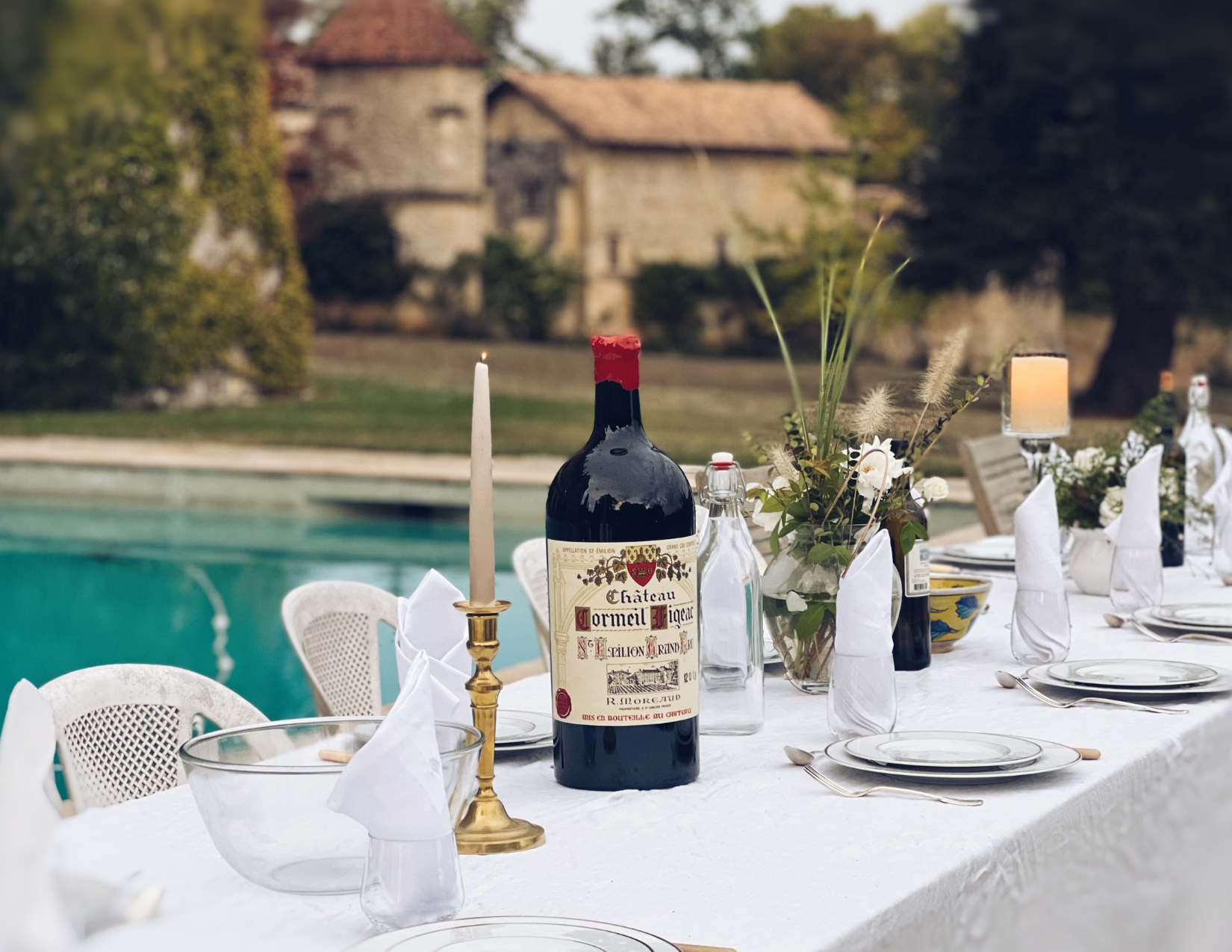
Staying in a Château in Bordeaux: What Actually Exists (and What Doesn’t)
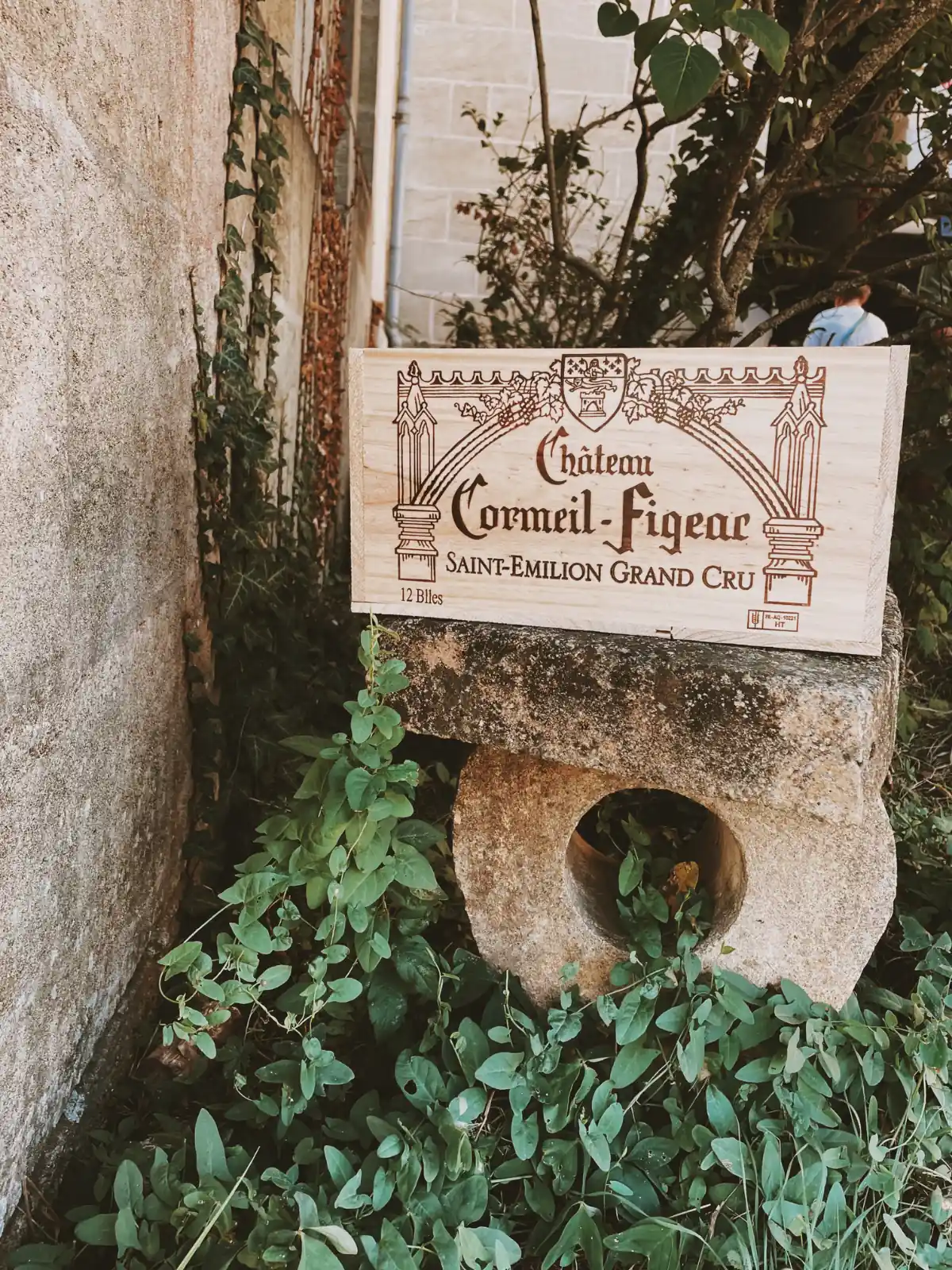
“Can you stay in a château in Bordeaux?”
It’s one of the most common questions we hear.
And on the surface, it seems simple.
Bordeaux is filled with châteaux—thousands of them—set among vineyards, steeped in history, and deeply tied to the identity of the region.
So naturally, the assumption is:
You can book one.
Like a hotel.
Like a countryside retreat.
In reality, that’s rarely the case.
What Actually Exists
Most châteaux in Bordeaux are not accommodations.
They are:
- working wine estates
- private family homes
- places built for production, not hospitality
Many have been in the same families for generations.
They are not listed on booking platforms.
They are not open for overnight stays.
And they are not designed to receive guests in the way a hotel would.
Even among the estates that do open their doors, access is often limited to:
- short visits
- guided tastings
- scheduled appointments
Staying there—living there, even briefly—is something else entirely.
The Illusion of a “Château Stay”
What is often marketed as a château stay in Bordeaux is, in most cases:
- a converted estate
- a boutique hotel inspired by château architecture
- or a property that carries the name, but not the lived reality
These experiences can be beautiful.
But they are not the same as staying inside a working château—
one that still belongs to a family, still produces wine, and still functions as a home.
What We Do Is Different
The experience we offer does not sit within that typical category.
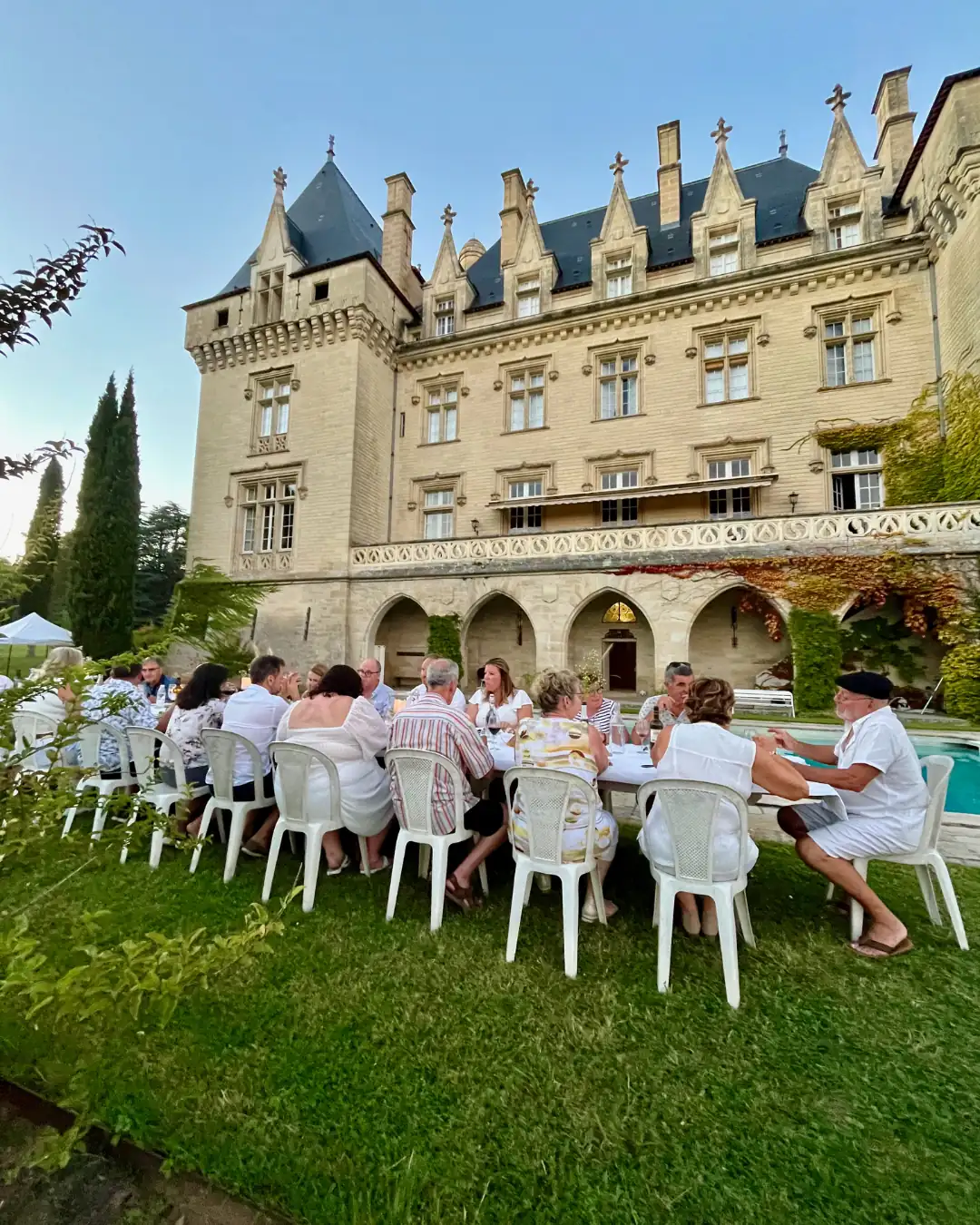
For the week, the château becomes fully private.
Not partially accessible.
Not shared with other travelers.
Not operated as a hotel.
You are not checking in.
You are stepping into a place that is usually closed.
The house remains what it is:
- a historic estate
- a lived-in property
- a setting shaped by generations
Mornings unfold quietly.
Afternoons move between vineyard and cellar.
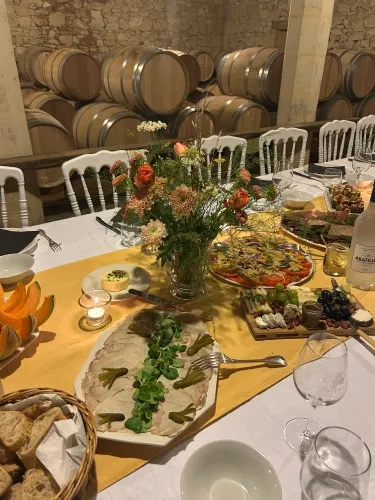
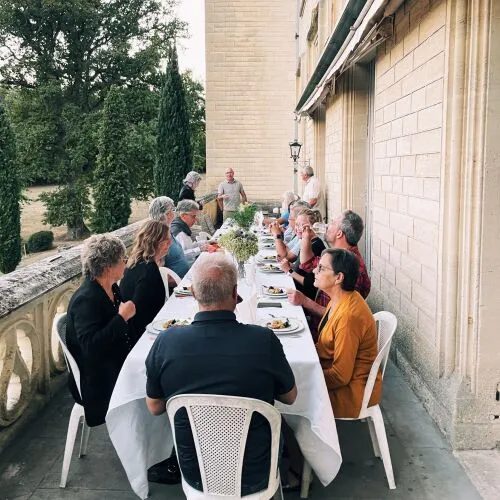
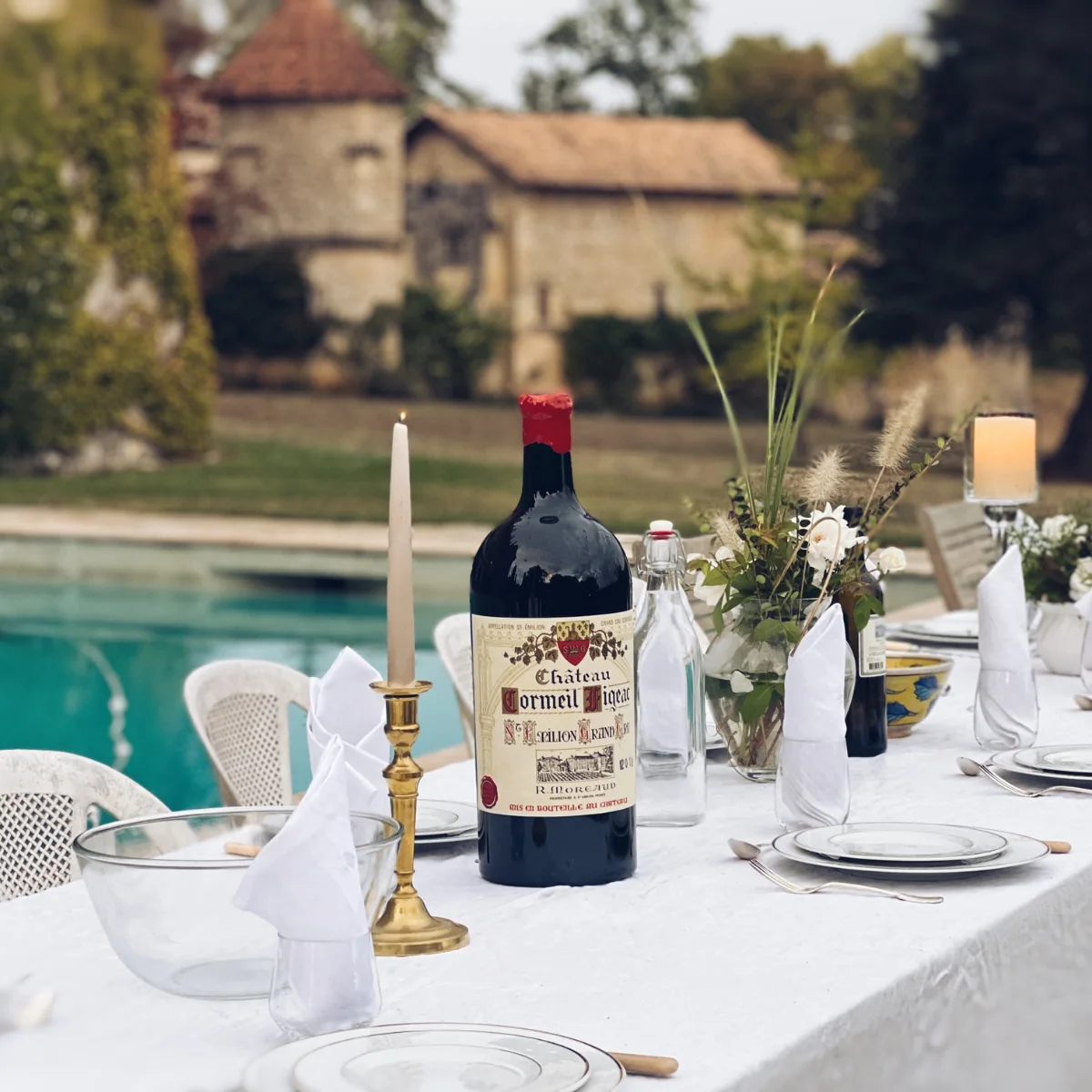
Evenings return, inevitably, to the table.
There is no front desk.
No formal service structure.
What exists instead is something far less common:
Presence.
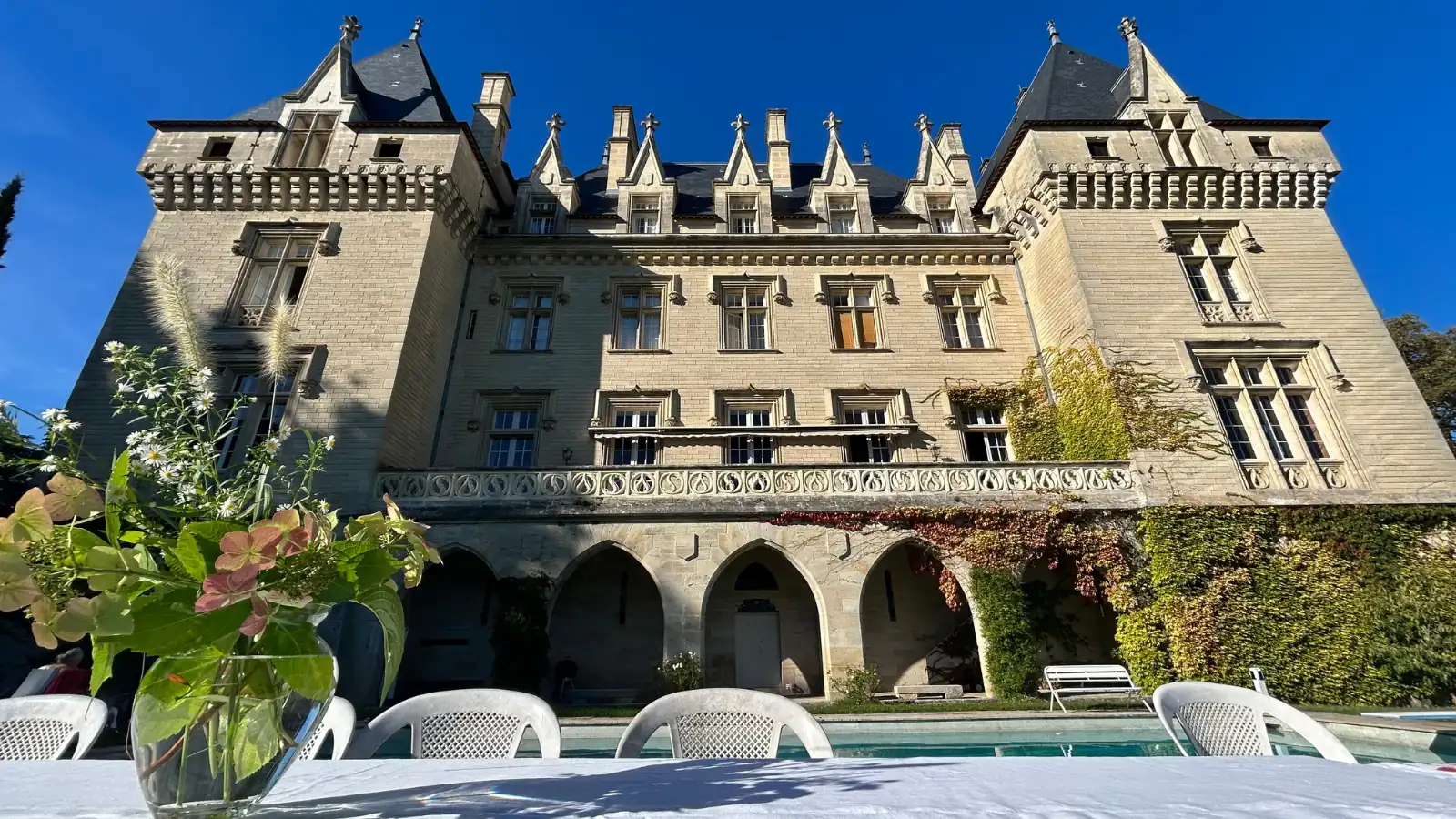
The Château Itself
This is not a minimal or rustic space.
It is expansive.
High ceilings.
A grand spiral staircase.
Reception rooms that carry the weight of time.
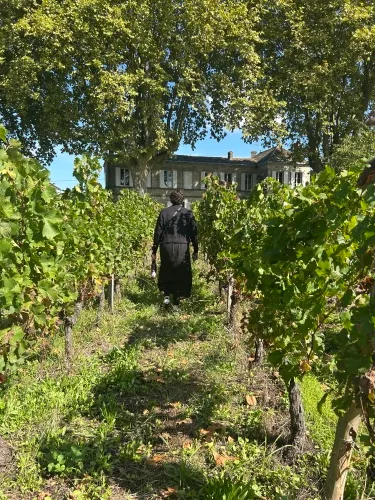
Windows opening onto vineyards and forest.
You don’t move through it the way you would a hotel.
You settle into it.
Some spaces you return to daily.
Others you discover gradually.
And over time, it begins to feel less like a place you’re staying—
and more like a place you’ve been invited into.
The Detail Most People Notice
The château was never designed for tourism.
And that matters.
In this particular property, each bedroom shares a bathroom with one other room.
It’s a detail that stands out—because it contrasts with modern expectations.
But it also reflects something essential:
This is not a reconstructed experience.
It is an authentic one.
Nothing has been redesigned to standardize it.
It remains what it has always been.
What Actually Changes
The difference is not comfort.
It’s proximity.
To the place.
To the people.
To the rhythm of life inside a working wine estate.
You don’t arrive for a visit and leave after a tasting.
You stay.
Long enough for:
- conversations to extend
- routines to become familiar
- moments to unfold without being scheduled
This is what allows everything else to happen:
👉 A Day During Harvest in Bordeaux
Without this setting, those moments would not exist in the same way.
Who This Is For
This experience resonates with those who:
- are comfortable stepping into a shared environment
- value connection over isolation
- are curious about how places are actually lived in
- appreciate history not as décor, but as presence
It is not designed for those seeking:
- hotel-level standardization
- complete privacy
- a fully controlled environment
And that distinction matters.
Final Thought
So—can you stay in a château in Bordeaux?
In most cases, no.
And in the rare cases where you can, it often looks very different from what people imagine.
But when access does exist—real access, not adapted or recreated—
it offers something that cannot be replicated elsewhere.
Not because of luxury.
But because of proximity.
To a place that was never meant to be visited this way.
Check Out More

More Posts
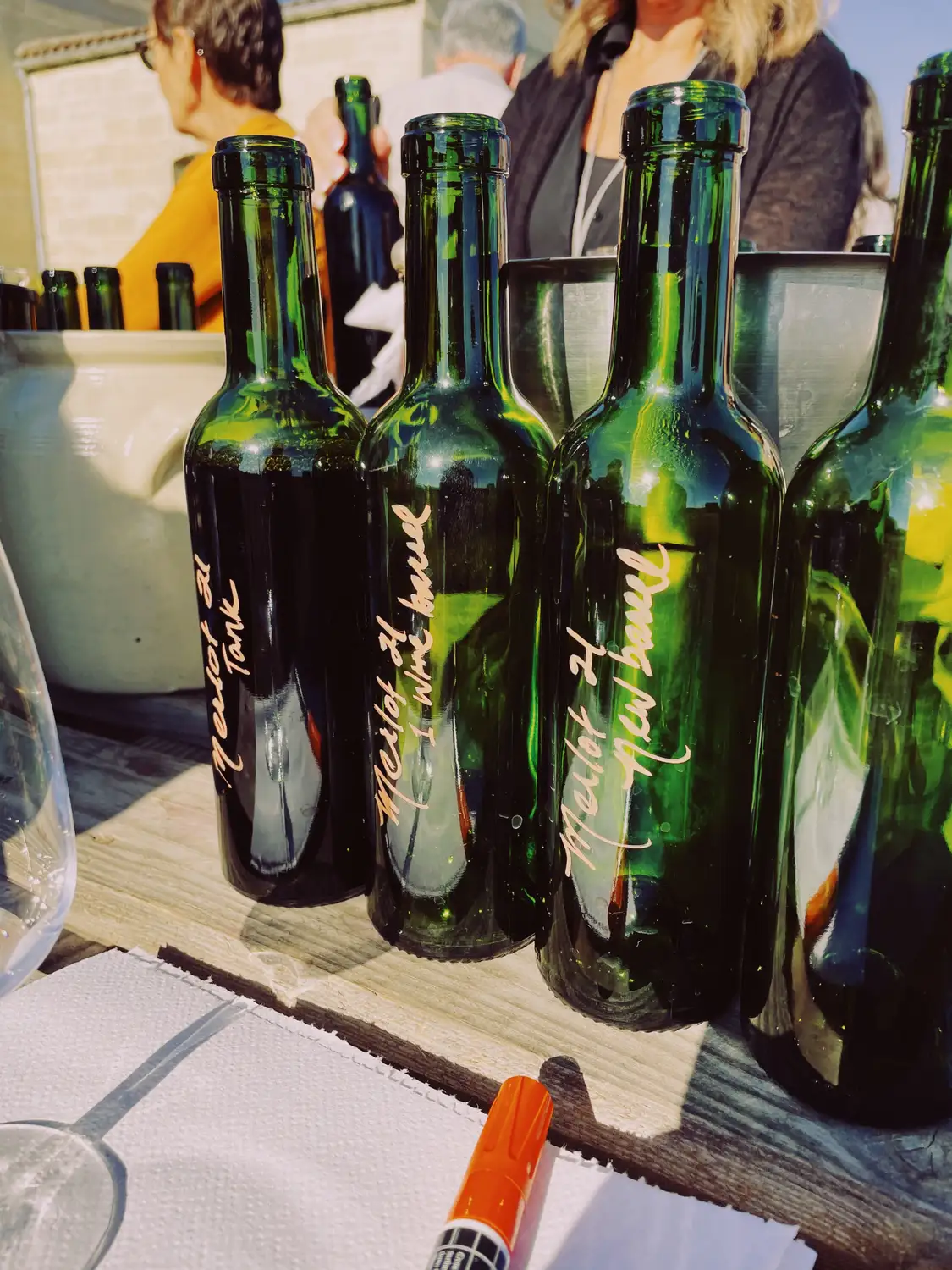
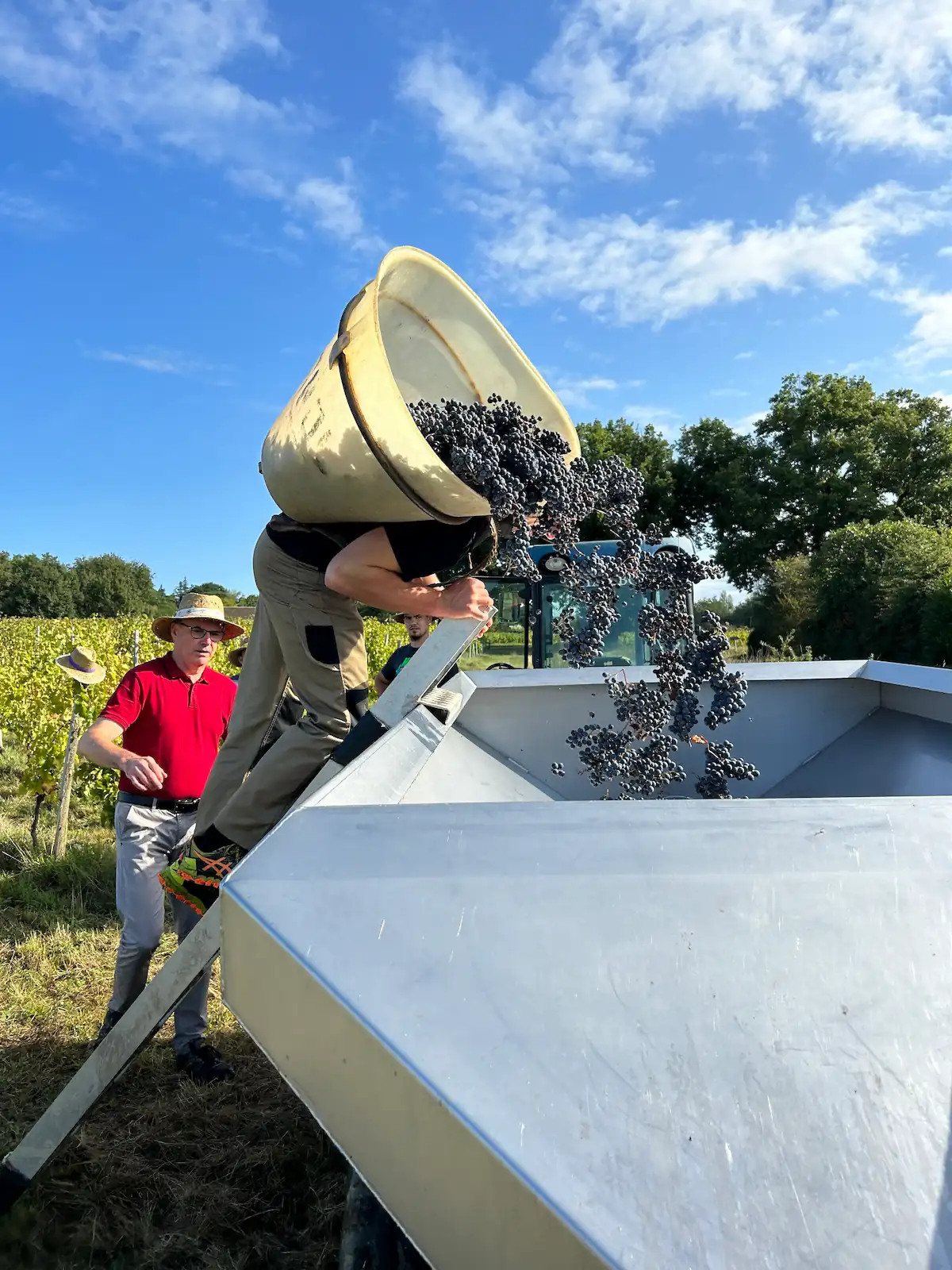
Bordeaux Harvest Experience: What It’s Really Like in Saint-Émilion
Discover what it truly feels like to experience harvest season in Bordeaux—from early mornings in the vines to long-table celebrations with local winemakers.
Your Food Journey
Starts Here.
Join a small group and take your seat at our table.
Explore Europe through generous tables and vineyards while staying in exclusive villas rooted in place. Travel differently. Eat locally. Connect deeply.