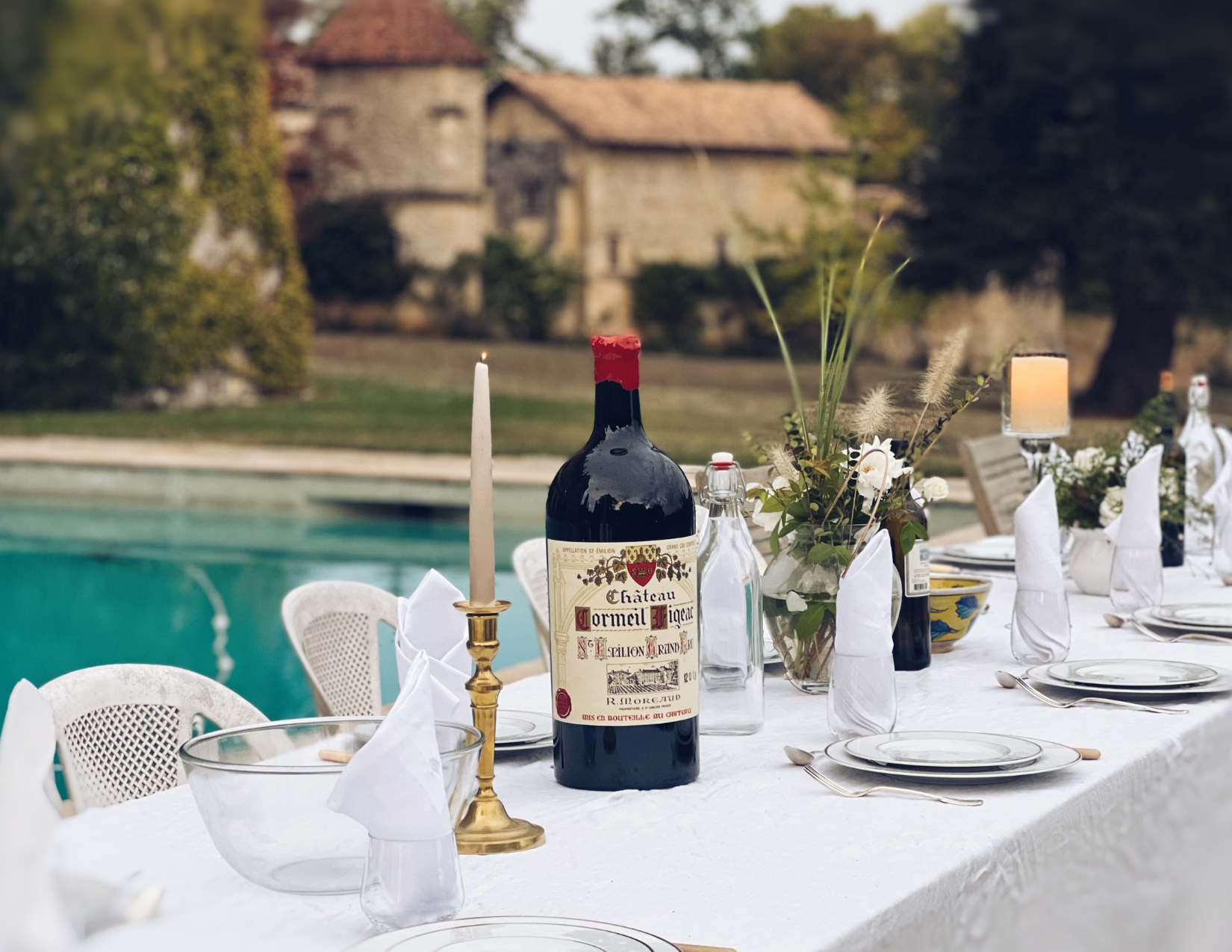
What Is Bordeaux Wine? A Simple Guide for Wine Lovers
.webp)
Bordeaux is one of the most recognized wine regions in the world.
And one of the most misunderstood.
Ask someone what Bordeaux wine is, and the answers tend to be vague:
- “a red blend”
- “something expensive”
- “something you age”
All partially true.
But incomplete.
Because Bordeaux is not defined by a single grape, a single style, or even a single taste.
It’s defined by a system—one built around blending, terroir, and balance.
Bordeaux Is a Blend—Not a Single Grape
Unlike regions that focus on one dominant varietal, Bordeaux wines are typically blends.
Five primary grapes form the foundation:
- Cabernet Sauvignon → structure, tannin, longevity
- Merlot → roundness, fruit, softness
- Cabernet Franc → freshness, aromatics, lift
- Petit Verdot → spice, color, intensity (used sparingly)
- Malbec → richness and depth (less common today)
Each château decides how to combine these grapes.
The result is not just a wine—but a composition.
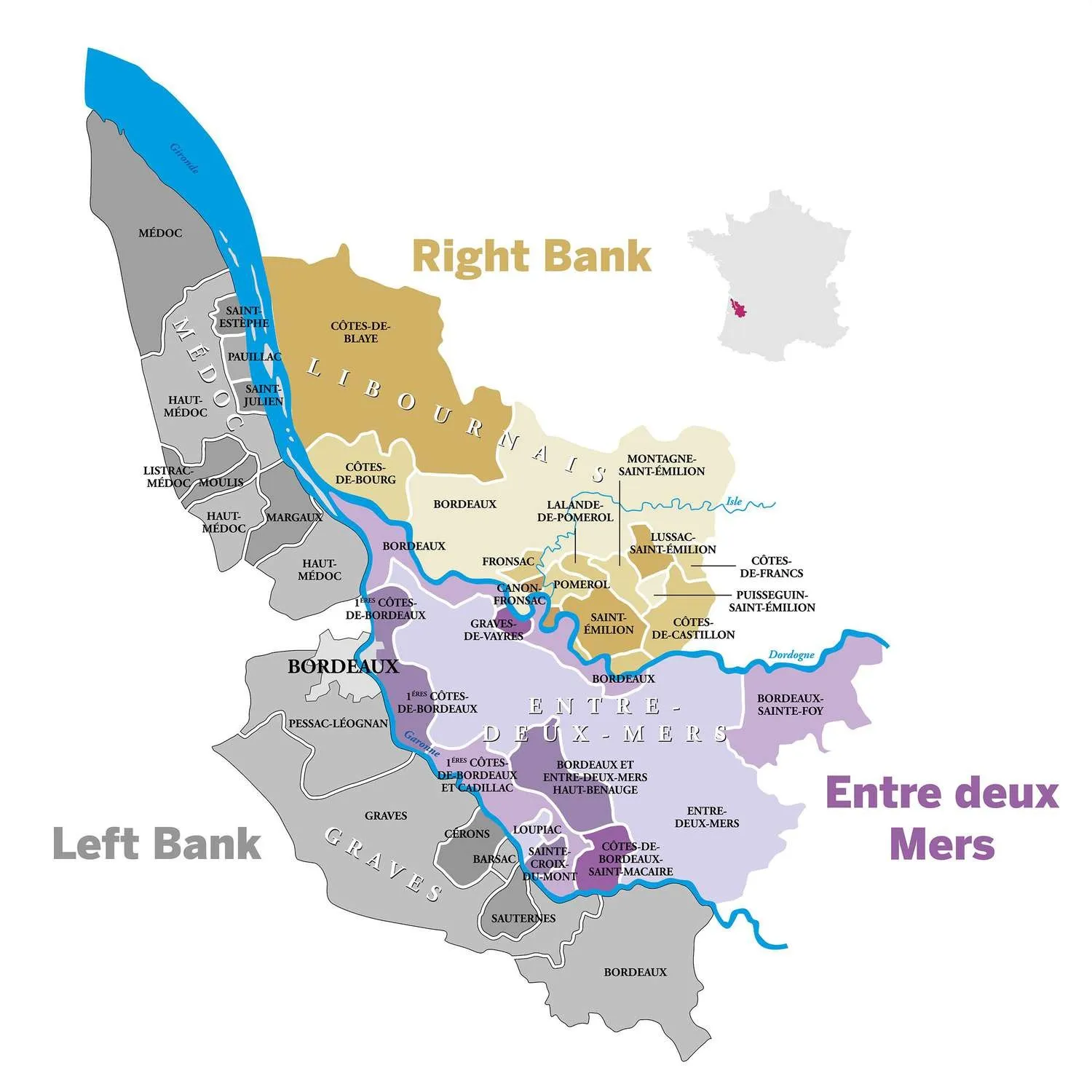
Left Bank vs Right Bank: Why It Matters
4
Bordeaux is divided by the Gironde estuary into two main areas:
- the left bank (Médoc, Graves)
- the right bank (Saint-Émilion, Pomerol)
This division shapes everything.
Left Bank
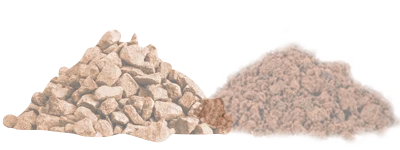
- gravel soils
- Cabernet Sauvignon dominant
Wines tend to be:
- structured
- tannic
- linear
- built for aging
Right Bank
- clay and limestone soils
- Merlot dominant
Wines tend to be:
- rounder
- more textured
- more immediately expressive
If you’ve ever preferred a softer, more approachable Bordeaux, chances are it came from the right bank.
What Bordeaux Wine Tastes Like
There is no single flavor profile—but there are patterns.
Left bank wines often show:
- blackcurrant
- cedar
- graphite
- firm tannins
Right bank wines, especially from Saint-Émilion, often lean toward:
- plum
- black cherry
- softer tannins
- a fuller mid-palate
What defines Bordeaux is balance.
No single element dominates.
Structure, fruit, acidity, and tannin are meant to work together.
Why Bordeaux Can Feel Confusing
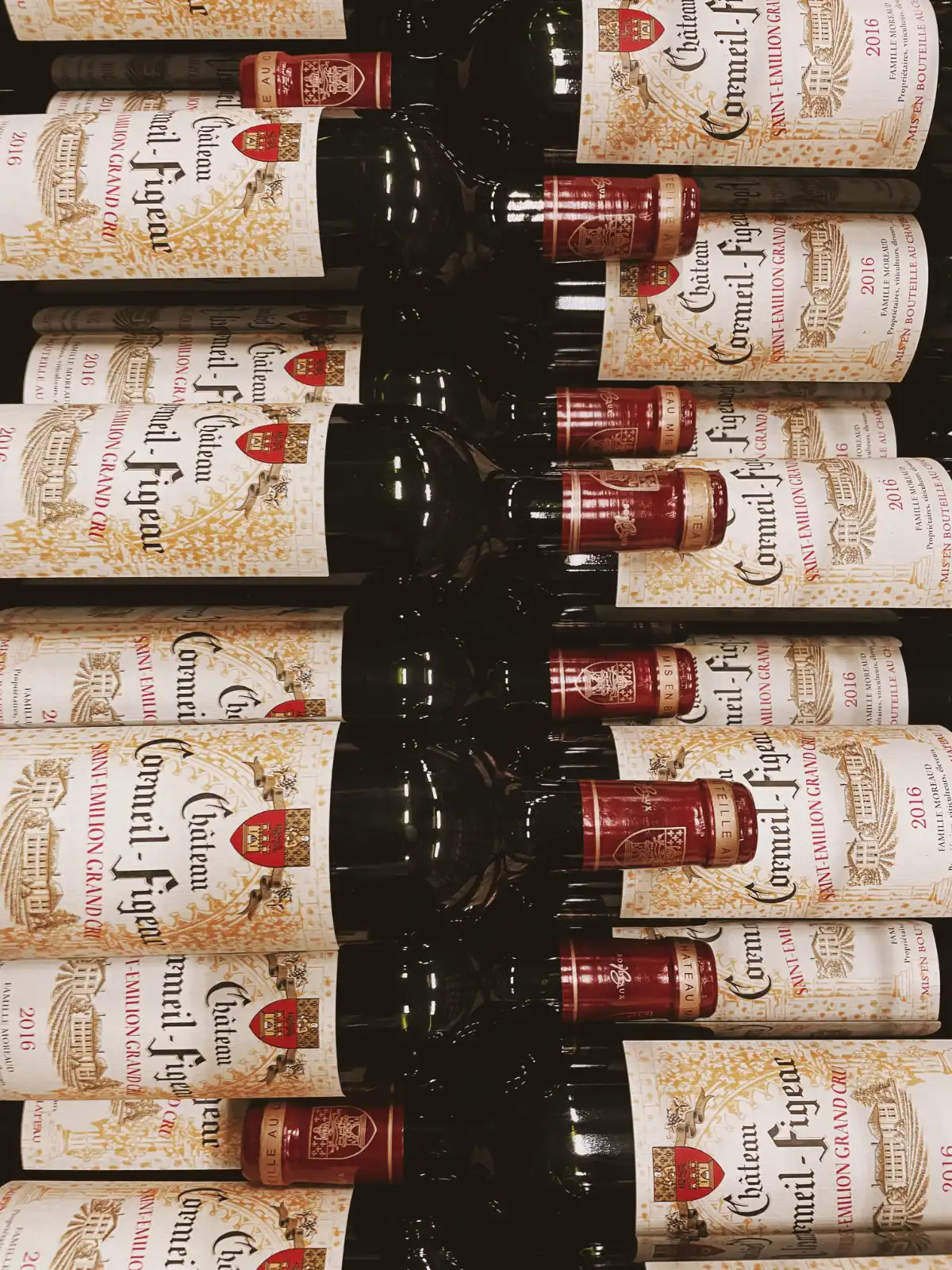
Unlike regions labeled by grape (like Pinot Noir or Chardonnay), Bordeaux wines are labeled by place.
You’ll see:
- château names
- appellations
- classifications
But rarely the grape varieties on the label.
This creates a barrier for many wine drinkers.
Understanding Bordeaux means learning to connect:
- place → soil → grape → style
Once you see that pattern, the region becomes far more approachable.
From Understanding to Experience
Knowing what Bordeaux wine is helps.
But it’s only part of it.
The real shift happens when you see where it comes from:
- vineyards during harvest
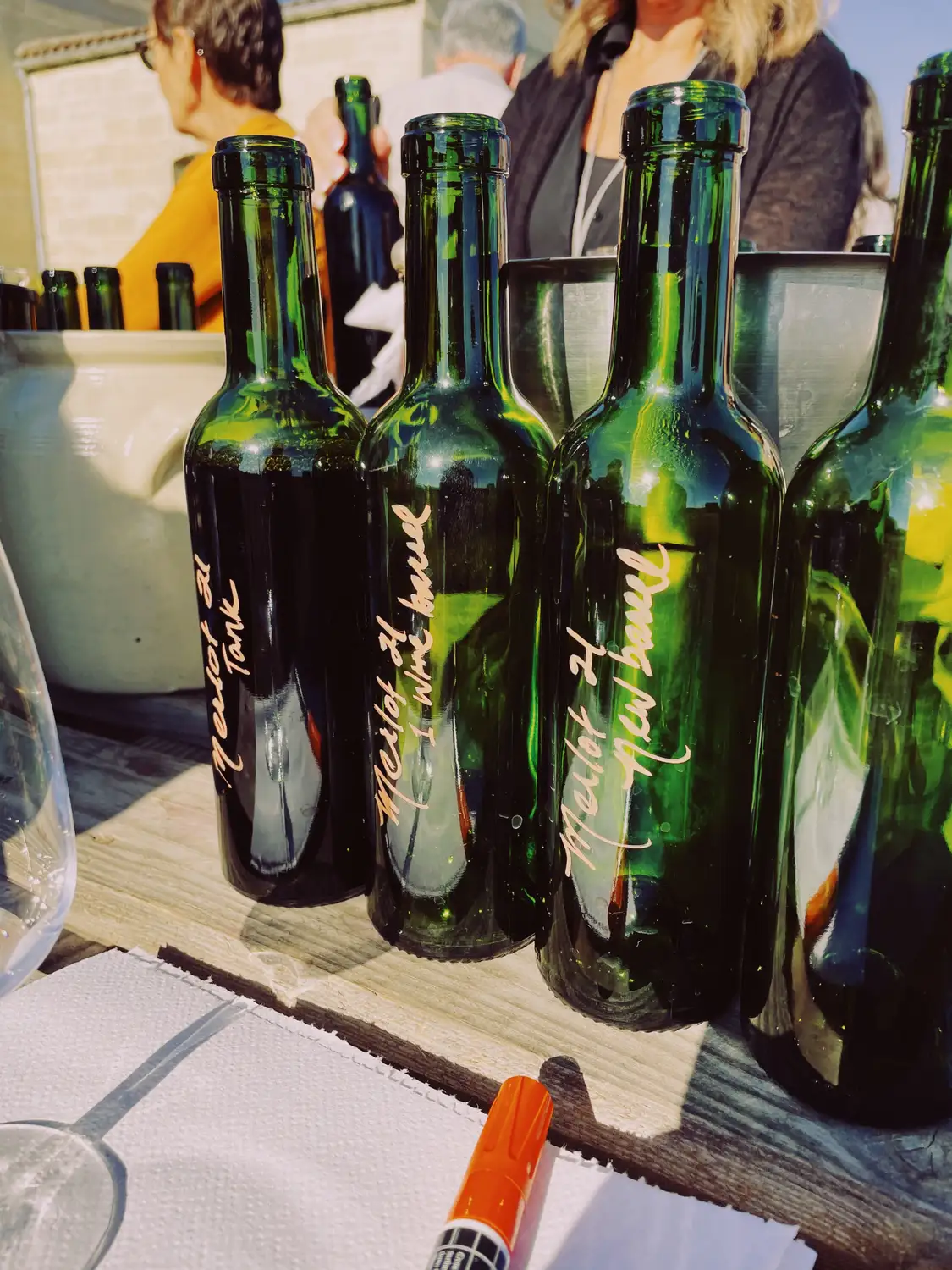
- cellars in motion
- wines being shaped in real time
If you want to go deeper, start here:
👉 Bordeaux Harvest Experience: What It’s Really Like
Or step inside a full day:
👉 A Day During Harvest in Bordeaux
Final Thought
Bordeaux is not complicated by design.
It’s layered.
Built from small decisions:
- which grapes to plant
- when to harvest
- how to blend
And when you begin to understand those layers, something changes.
You stop asking what Bordeaux wine is.
And start recognizing it—almost immediately—when it’s in front of you.
Check Out More Things - Bordeaux
More Posts
Bordeaux Harvest Experience: What It’s Really Like in Saint-Émilion
Discover what it truly feels like to experience harvest season in Bordeaux—from early mornings in the vines to long-table celebrations with local winemakers.
Your Food Journey
Starts Here.
Join a small group and take your seat at our table.
Explore Europe through generous tables and vineyards while staying in exclusive villas rooted in place. Travel differently. Eat locally. Connect deeply.