Travelling to Catalunya: 12 Things Worth Knowing Before You Go
Catalunya is part of Spain.
But spend a few days here and you’ll notice it has its own language, its own rhythm, and its own way of doing things.
Knowing a little before you arrive changes everything — how you order, when you eat, and how warmly you’re received.
Here is what we share with every guest before they land.
1. Catalan Comes First
Catalunya has two official languages: Catalan and Spanish (Castilian).
Everyone speaks Spanish. But Catalan is the language of daily life, street signs and menus — and a source of real pride.
A few words go a long way:
- Bon dia — good morning
- Bona tarda — good afternoon
- Si us plau — please
- Gràcies — thank you
- Adéu — goodbye
Try one. Watch the smile.
2. It’s “Catalunya” — and It Matters
In English you’ll often see “Catalonia.” Locals say Catalunya.
Catalan identity runs deep — in its history, its festivals and its food. Showing curiosity about it, rather than treating it as “just Spain,” opens doors.
3. Meals Happen Later Than You Think
This is the one that surprises most travellers.
- Breakfast is light — coffee and a pastry, or toast with tomato.
- Lunch is the main meal, usually from 1:30 to 3:30 pm.
- Dinner rarely starts before 8:30 or 9 pm.
In between, there’s the vermut hour before lunch, and a small bite in the early evening.
Arrive at a restaurant at 6 pm and you may find it empty — or closed.
4. Look for the Menú del Dia
On weekdays, many restaurants offer a menú del dia at lunch: a starter, a main, dessert or coffee, bread and often a glass of wine, at a fixed price.
It’s how locals eat well without fuss — and often the best value you’ll find.
5. Tipping Is Modest
Service is included in prices. Locals usually round up or leave a few coins.
For a meal you loved, 5 to 10% is generous. Nobody expects North American-style tipping.
6. Expect a Tourist Tax
Catalunya charges a tourist tax on overnight stays, paid per person, per night, and capped at seven nights in the same place. Children under 17 are exempt.
The rates rose in April 2026. Barcelona now adds a city surcharge of €5 per person per night on top of the regional rate. Outside Barcelona, the regional rate tops out at €4.50 per night until March 2027, rising to €6 after that.
It’s usually collected by your hotel or host, so it’s worth checking whether it’s already included in your price.
7. Barcelona to Girona Is Easy
Many travellers fly into Barcelona and stay there.
But Girona and the Empordà are close. High-speed trains from Barcelona Sants reach Girona in about 40 minutes on the fastest services.
Beyond Girona, a car or a private driver makes the villages, farms and coast much easier to reach. Public transport thins out quickly in the countryside.
8. Sundays Are Slow — On Purpose
Outside the big tourist areas, many shops close on Sundays, and some close for a few hours in the afternoon during the week.
Plan your shopping for weekday mornings. Keep Sundays for the vermut, the long lunch and the walk afterwards.
9. Eat Like a Catalan
A few things to look for:
- Pa amb tomàquet — bread rubbed with ripe tomato, olive oil and salt. Simple, essential, on every table.
- Calçots — sweet grilled spring onions dipped in romesco sauce, eaten in winter and early spring at a calçotada.
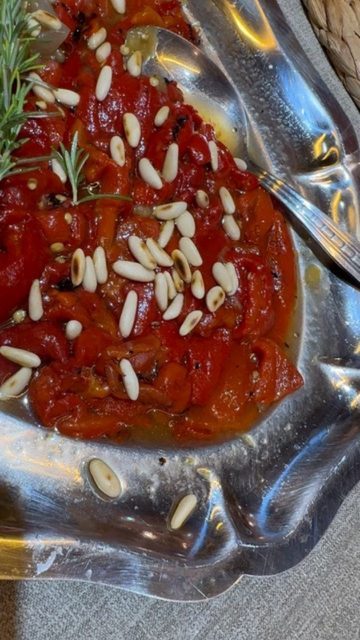
- Escalivada — smoky roasted peppers, eggplant and onion.
- Botifarra — Catalan pork sausage, often with white beans.
- Crema catalana — the Catalan cousin of crème brûlée.
And to drink: cava, Catalunya’s traditional sparkling wine, made the same way as Champagne — and a source of great local pride.
If you’d like to see how we bring all of this together over a week in the Catalan countryside, we share a detailed brochure.
👉 Receive the Catalunya trip brochure
10. Mind Your Bag in Barcelona
Barcelona is safe and welcoming, but pickpocketing is common in busy areas — Las Ramblas, the metro, crowded markets and beaches.
Keep your phone out of back pockets and your bag zipped and in front of you. In the countryside, it’s a different world.
11. Spring Is the Sweet Spot
Summer brings heat and crowds, especially on the coast.
Spring is something else. Mild days, fields of poppies, olive trees and apple orchards in bloom, and villages that still belong to the people who live there.
Evenings can be cool, so bring a light layer. And comfortable shoes — medieval villages are built of stone and cobbles.
12. Leave Barcelona Behind (At Least for a While)
Barcelona is wonderful. But it is not all of Catalunya.
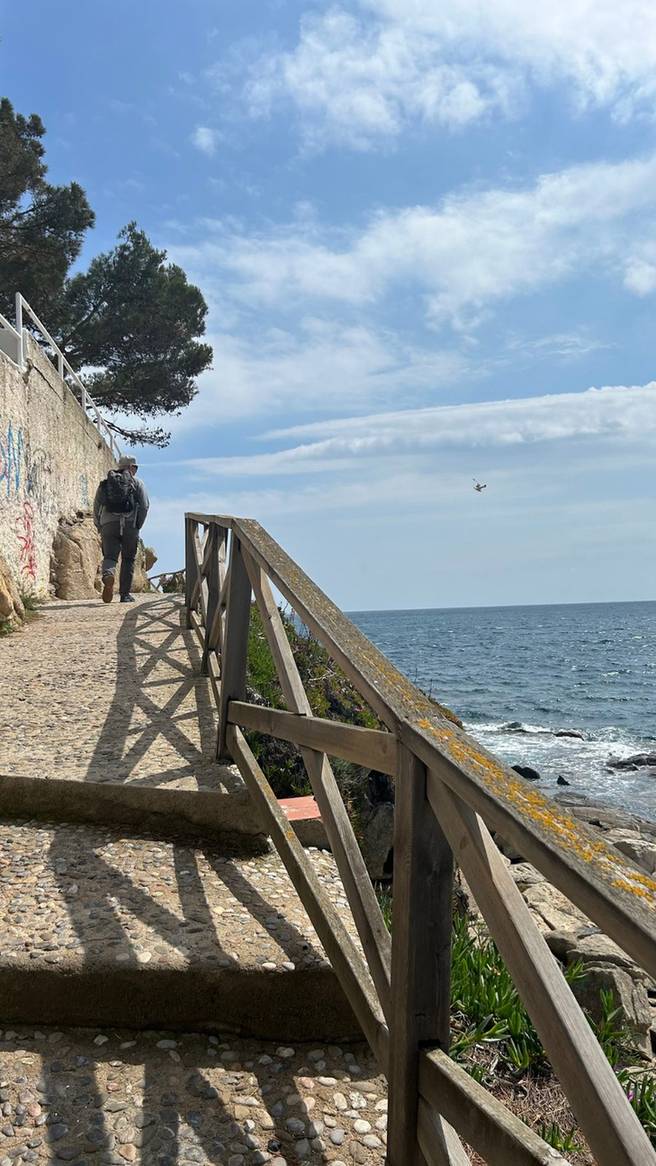
Head an hour northeast and you find the Empordà: pottery towns like La Bisbal d’Empordà, medieval villages like Peratallada, cheese farms, cork forests, wineries and a rugged coastline.
This is where Catalan life slows down — and where it’s easiest to feel part of it.
Final Thought
You don’t need to know everything before you go.
A few words of Catalan. A later dinner. A willingness to slow down.
That’s usually enough for Catalunya to open up.
And if you’d rather someone took care of the details, so you can simply enjoy the journey — join us at the table.
👉 Explore Beyond Barcelona: The Flavours of Catalunya
or
👉 Reserve your place at our Catalan table
Check Out More



Your Food Journey
Starts Here.
Join a small group and take your seat at our table.
Explore Europe through generous tables and vineyards while staying in exclusive villas rooted in place. Travel differently. Eat locally. Connect deeply.