A Day in Tuscany: From Olive Grove to Long Table Evenings
Introduction
Tuscany is often described through images.
Rolling hills. Cypress trees. Golden light.
But none of that explains what it feels like to spend a full day there.
Because Tuscany is not something you look at.
It’s something you move through—slowly, and often without realizing when the day actually begins.
Morning: The Road In
The road changes before you arrive.
Pavement gives way to a strada bianca—a white dirt road cutting through the hills.
Our driver always shakes his head slightly.
You can feel the question without him saying it:
How did we end up bringing a bus here again?
Dust rises behind us as we move forward.
And then, the house appears.
The Welcome
Giovanni isn’t the first to greet us.
His father is.
He’s already outside, standing near the garden, watching the horizon.
He doesn’t speak English—but nothing about the welcome requires translation.
As the bus pulls in, he raises both arms and calls out:
“Sono arrivati!”
They’ve arrived.
He walks with us toward the grove, curious, attentive—making sure everything is as it should be.
Giovanni, slightly embarrassed, gestures for him to head back toward the kitchen.
He nods… and does not leave.
Instead, he lingers. Observes. Occasionally comments.
The Olive Grove
The land is uneven.
Not dramatic—but enough that you feel it under your feet.
You walk slowly.
At times, you stop—not because you’re told to, but because something draws your attention.
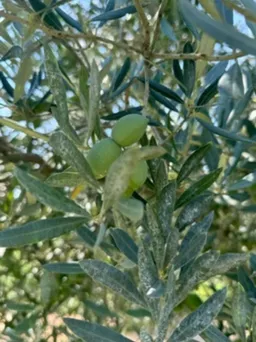
An olive on the ground.
Another still on the branch.
You reach for both.
Giovanni explains the trees—not in theory, but in relation to what’s in front of you.
How their shape matters.
How light moves through them.
How harvest depends on details that are easy to miss if you’re not looking closely.
His father is still nearby.
Watching. Occasionally stepping in.
Not correcting—but not entirely silent either.
Before the Table: The Press
Before lunch, there is one more stop.
A small cooperative press.
This is where the olives go—not just from this property, but from the surrounding farms.
Everyone brings their harvest here.
The olives are pressed.
The oil is returned.
Simple. Collective. Uncomplicated.
Inside, the air is thick with the scent of fresh oil.
You taste it as it comes out of the press.
Green. Sharp. Alive.
Giovanni explains something that stays with you:
They don’t infuse oil after the fact.
They crush olives together with lemon peel—
the same lemons used in the lemonade you were handed when you arrived.
Or with rosemary.
The flavor is not added.
It is extracted at the source.
Midday: The Family Table
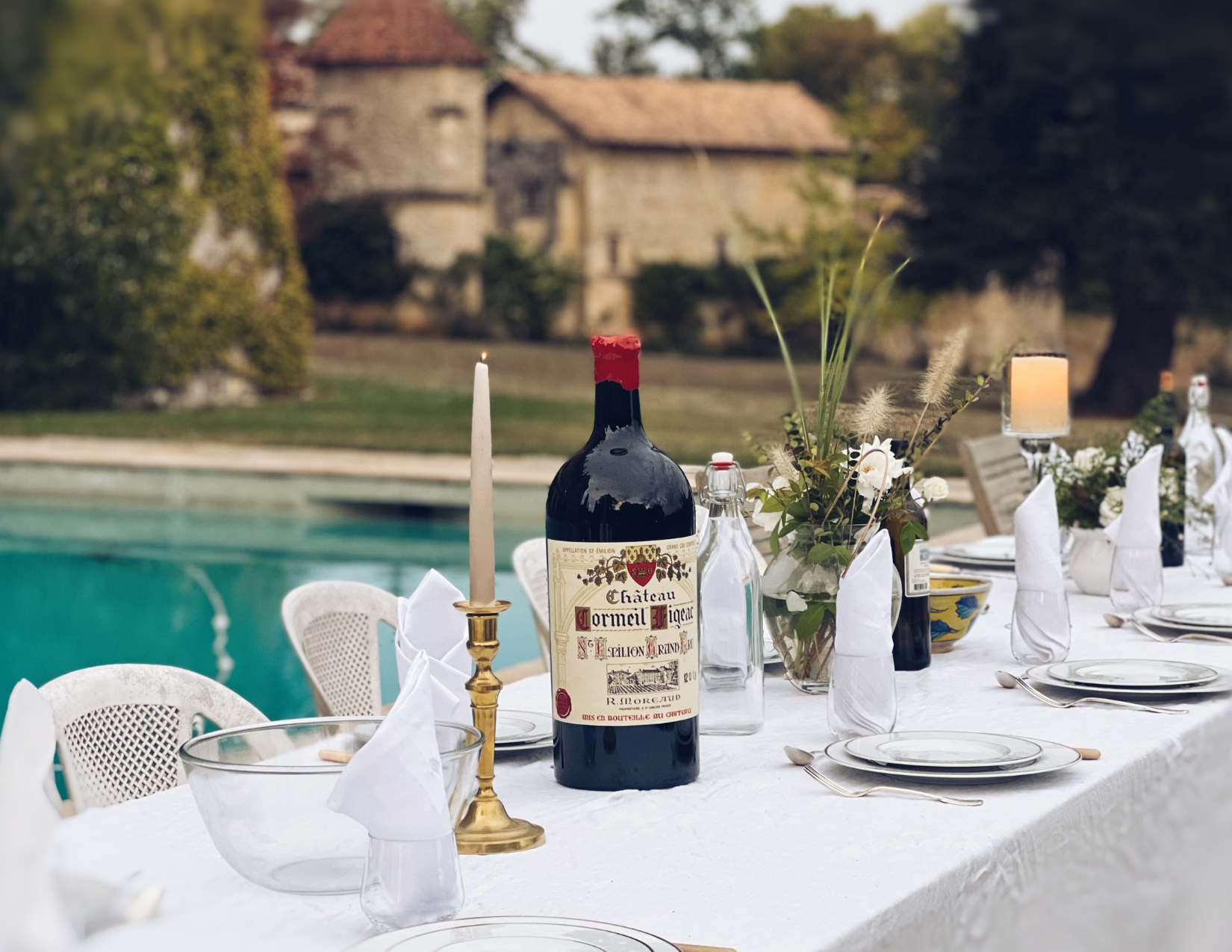
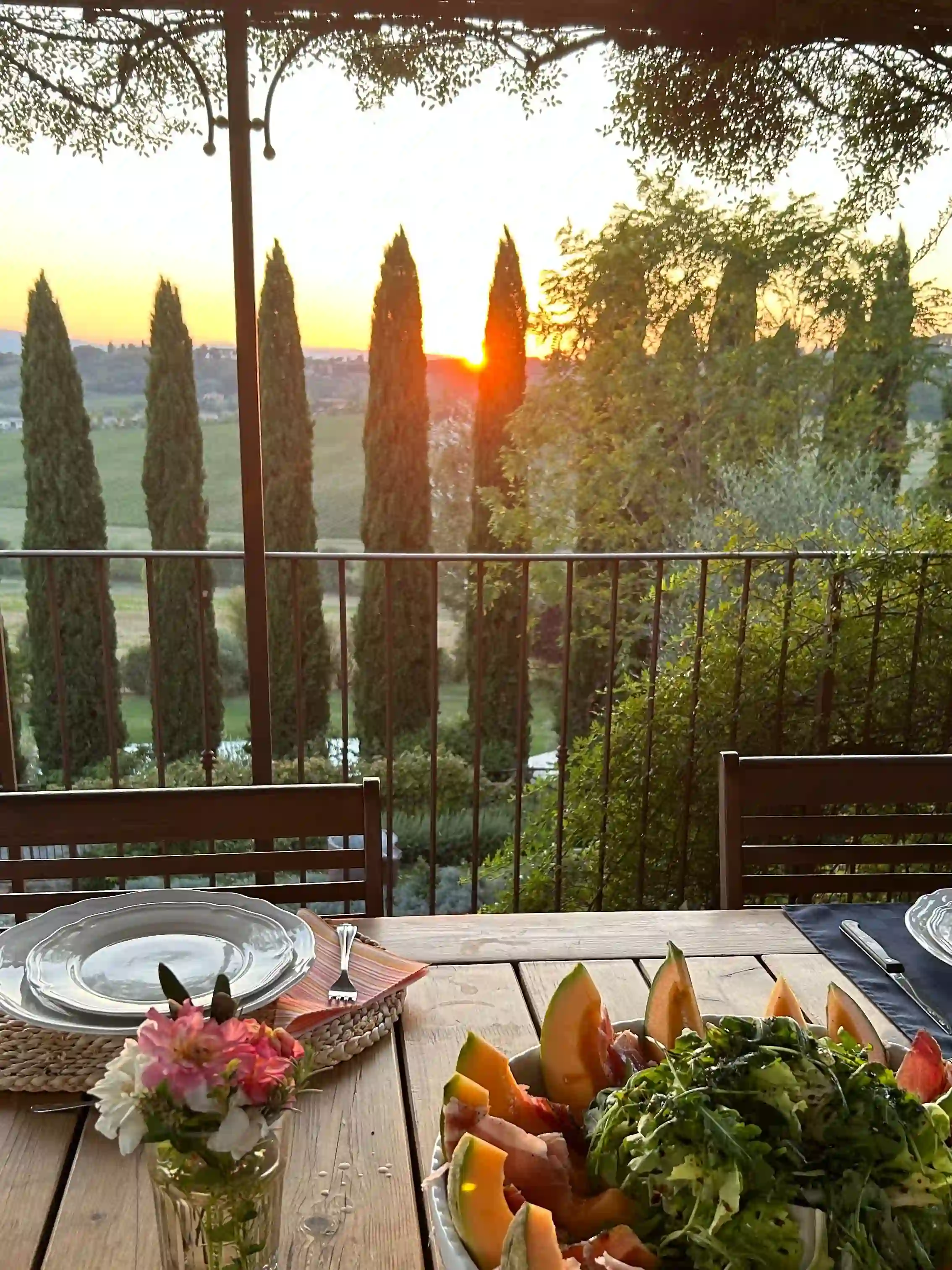
The table is set in the garden.
Overlooking the grove you just walked through.
Olive branches laid across it.
Not for decoration—but because they are simply there.
The whole family is involved.
This is not restaurant service.
Plates are carried carefully—sometimes nervously, always proudly.
Each course arrives with a different oil from the property.
There is rhythm—but not precision.
Voices overlap.
Corrections are made.
“No, not like that!”
“Quiet!”
They argue. Then laugh. Then continue.
There is intensity—but also familiarity.
You are not being served.
You are being included.
Afternoon: Movement and Return
The day continues.
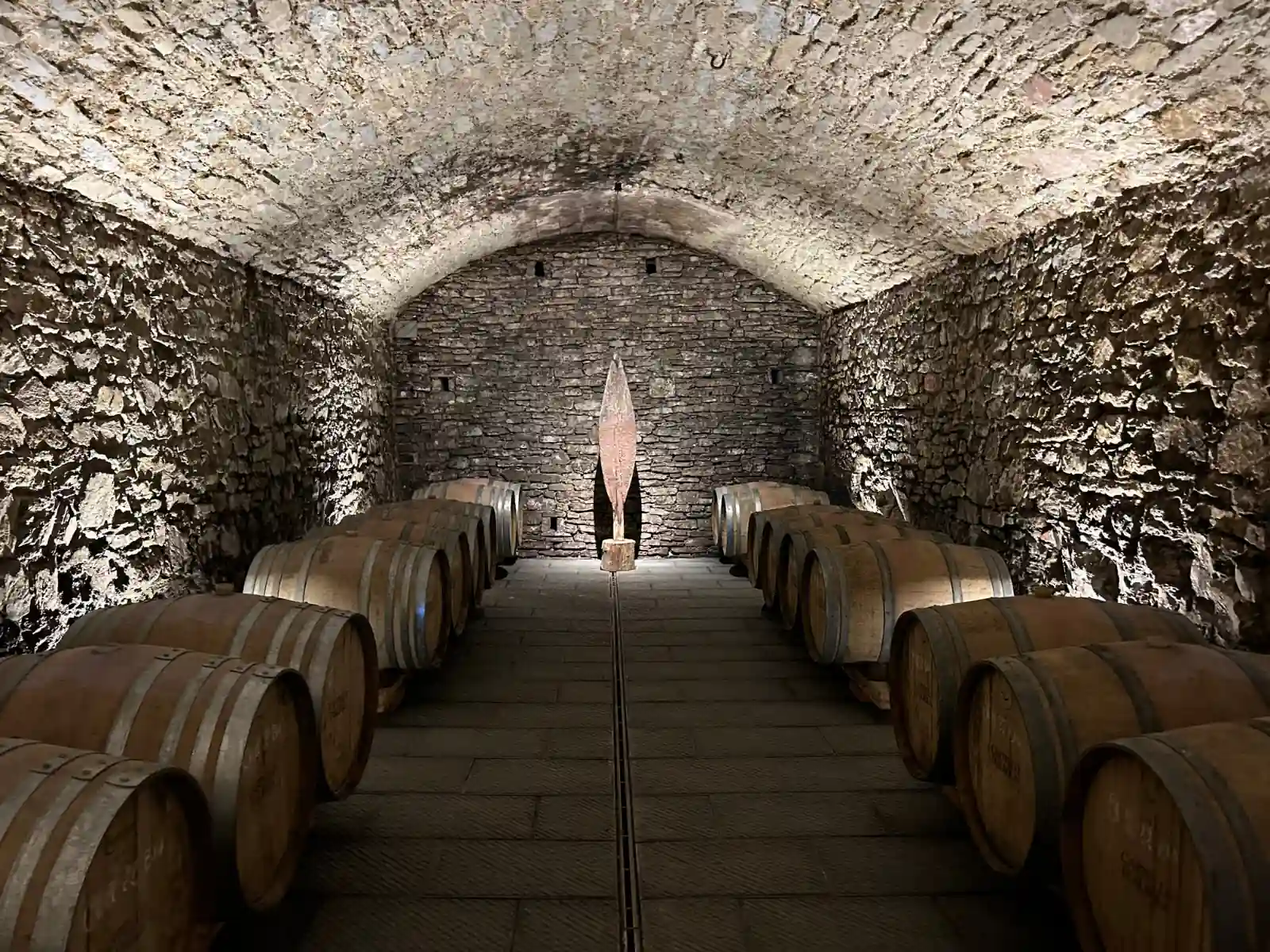
A nearby property. Another family.
Wine. Cheese.
The visit is unstructured.
As you walk, your host pauses—mid-explanation—to speak with workers, to give instructions, to adjust something that needs attention.
Life continues around the visit.
Nothing is paused for you.
Back at the Villa
Returning feels different.
Not like arriving somewhere new—but like coming back.
The pace drops immediately.
Some move toward the pool.
Others start a game of bocce.
A few wander through the rose garden.
Some simply sit.
There is no transition.
Just space.
Evening: The Table, Again
In the kitchen, Chef Mirco is already at work.
The door is always open.
He’s reserved—but if you pause, he will explain.
What he’s preparing. How. Why.
Quietly. Without breaking his rhythm.
The table fills slowly.
Wine is poured.
Not introduced.
Dishes arrive.
Not announced.
The sun lowers behind the hills.
Conversations stretch.
Candles are placed—sometimes in empty wine bottles scattered along the table.
No one signals the end of the evening.
It fades naturally into it.
A Different Way to Experience Tuscany
Most visits to Tuscany are built around places.
Where to go.
What to see.
What to taste.
But the experience changes when the day is allowed to unfold.
When nothing is isolated.
When everything connects.
Final Thought
A day in Tuscany doesn’t present itself as something exceptional.
It unfolds the way it always has.
Through land.
Through family.
Through the table.
And by the time it ends, nothing feels staged.
Because nothing was.

More Posts
What Is a Tuscan Villa Experience? (And Why It Changes Everything)
A Tuscan villa is more than a place to stay—it’s a way of living. Discover how it transforms your experience of Tuscany.
Your Food Journey
Starts Here.
Join a small group and take your seat at our table.
Explore Europe through generous tables and vineyards while staying in exclusive villas rooted in place. Travel differently. Eat locally. Connect deeply.